
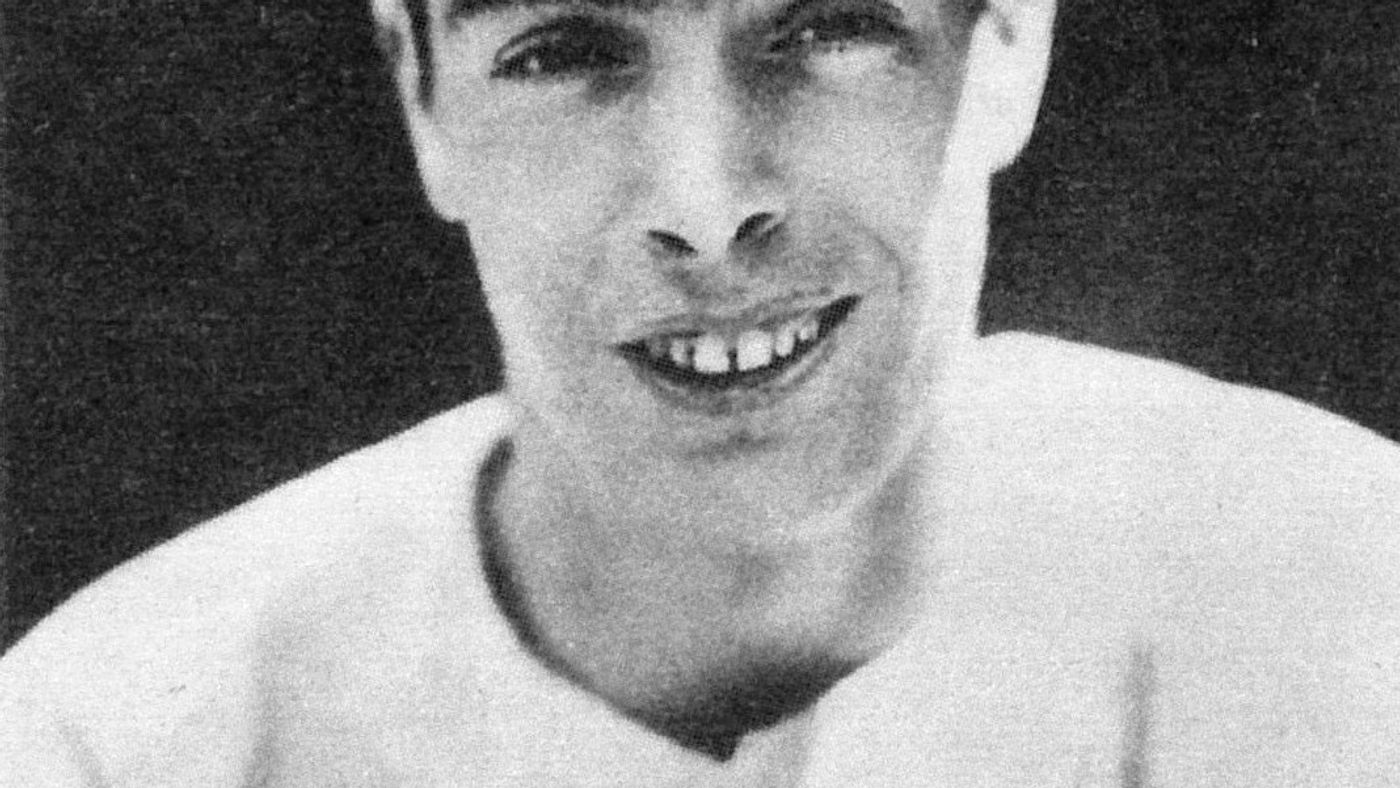
May 15, 1941. A Thursday afternoon at Yankee Stadium. Joe DiMaggio steps in against Edgar Smith of the White Sox, singles through the right side, and jogs to first base. Nobody in the press box circles the date. The New York Yankees win, the box score goes to the printers, and the hit disappears into the ordinary hum of a long season.
Fifty-six games later, DiMaggio owned the most unbreakable record in American sports. He hit safely every single day from May 15 through July 16 -- .408 with 91 hits, 15 home runs, and 55 RBI across 223 at-bats. Alan Courtney and Ben Homer (a bandsman in Les Brown's orchestra) wrote a song about him while the streak was still happening. Fans across the country crowded around radios to hear his at-bats. And then, on a warm night in Cleveland, a 24-year-old third baseman named Ken Keltner took it all away.
The Streak Builds
The first two weeks passed in silence. DiMaggio had been scuffling through the season's early going -- a slump that had the beat writers asking questions he didn't like answering. When he started hitting, nobody treated it as anything more than DiMaggio shaking off a bad stretch. A hot week. Two hot weeks. The writers tracked it the way you'd track a curiosity, not a record chase.
On June 2 -- game 19 of the streak -- Lou Gehrig died. He was 37. DiMaggio got his hit against the Browns that afternoon while the baseball world mourned its greatest first baseman. The streak felt like a footnote to a terrible day.
By game 30, the press caught fire. Radio broadcasts mentioned the streak before they announced lineups. Telegrams arrived at the Stadium from fans DiMaggio had never met. George Sisler's American League record of 41 consecutive games (set with the Browns in 1922) sat out ahead of him, and beyond Sisler, only one name remained: Willie "Wee Willie" Keeler, who'd hit in 44 straight for the Baltimore Orioles in 1897.
| Streak Duration | May 15 -- July 16, 1941 |
| Games | 56 consecutive |
| Batting Average | .408 |
| Hits | 91 |
| Home Runs | 15 |
| RBI | 55 |
| At-Bats | 223 |
| Previous Record | 44 games (Willie Keeler, 1897) |
Then came the stolen bat. During a road trip, someone lifted DiMaggio's favorite lumber right out of the dugout -- a fan who apparently thought a game-used bat from the hottest hitter alive made a fine souvenir. DiMaggio was furious. He borrowed a bat from Tommy Henrich, went 3-for-4, and said almost nothing about it afterward. (The bat came back eventually. DiMaggio kept hitting.)
Game 42: Sisler Falls. Game 45: Keeler Goes Next.
DiMaggio tied Sisler's record with a double in the first game of a June 29 doubleheader in Washington and broke it with a single in the nightcap -- game 42. He kept swinging. On July 2, at the Stadium, he stepped in against Dick Newsome of the Red Sox in the fifth inning and drove a two-run homer over the left-field fence. That was game 45, and Keeler's 44-year-old record was gone. The crowd erupted -- one of those sustained ovations that makes the concrete vibrate under your feet. DiMaggio circled the bases, and for a moment the entire ballpark just held still.
His brother Dom was playing center field for Boston that day. The record broke against a lineup that included his own family. (Baseball doesn't write stories like that on purpose.)
DiMaggio kept going. Game 46. Game 50. Game 55. The streak dominated every sports page in the country. The same summer Ted Williams was chasing .406 in Boston, and the two stories fought for headlines like boxers trading rounds -- but DiMaggio's streak had a clock on it, a daily yes-or-no drama that gave it a pulse Williams's batting average couldn't match.
Game 56 came on July 16 in Cleveland. DiMaggio went 3-for-4 against Al Milnar. He was loose, the Yankees were rolling, and tomorrow looked like just another night at Municipal Stadium.
The Night It Ended
July 17, 1941. Cleveland Municipal Stadium. 67,468 fans -- the biggest crowd of the season -- packed in to watch DiMaggio extend the record to 57. Most of them went home disappointed.
Al Smith started for the Indians. Ken Keltner played third base. Cleveland's coaching staff had prepared for DiMaggio -- manager Roger Peckinpaugh wanted his infielders positioned to take away the pull lanes DiMaggio lived in. Keltner set up deeper than usual and hugged the line, a deliberate choice that would define his career.
First inning: DiMaggio drove a ball hard toward third. Keltner, already deep, made a backhanded stab behind the bag, spun, and threw him out at first. It was the kind of play most third basemen don't make -- the kind where you tip your cap and try again next time.
DiMaggio walked later. (A walk doesn't count against you.)
Seventh inning: DiMaggio drove another ball down the third-base line. Keltner made the same play. Backhanded stop, whirl, throw. Out at first. A mirror image of the first one. Two at-bats in the hole, both killed by the same man standing in the same spot.
Eighth inning: Jim Bagby Jr. on the mound now. DiMaggio hit a grounder up the middle toward shortstop. The ball took a bad hop and bounced into Lou Boudreau's chest. Boudreau -- one of the best defensive shortstops in the game -- recovered, picked it up, and started a double play. DiMaggio was out at first. The inning was over.
Zero hits. The streak was done.
The stadium went quiet in the way that only a place full of 67,000 people can go quiet -- a collective exhale, something close to mourning. DiMaggio jogged to the dugout. He didn't kick dirt. He didn't argue the bad hop. He just walked off the field.
I can't say I'm glad it's over. Of course, I wanted it to go on as long as it could.
Game 1: A Single Off Edgar Smith
DiMaggio goes 1-for-4 against the White Sox at Yankee Stadium. Nobody notices.
Game 42: Sisler's AL Record Falls
DiMaggio breaks George Sisler's American League record of 41 games in a doubleheader against the Senators.
Game 45: Keeler's All-Time Record Broken
A fifth-inning home run off Dick Newsome breaks Willie Keeler's 44-game record at Yankee Stadium.
Game 56: The Final Game
DiMaggio goes 3-for-4 in Cleveland. The record stands at 56 consecutive games.
The Streak Ends
Ken Keltner makes two backhanded plays at third and Lou Boudreau turns a bad-hop double play. DiMaggio goes 0-for-3 with a walk.
1941: The Summer That Wouldn't Come Back
DiMaggio won his second AL MVP that year -- beating out Williams and his .406 average, the last time anyone hit .400 in a full season. The Yankees went 101-53, took the pennant by 17 games, and beat the Brooklyn Dodgers in five in the World Series (thanks in part to Mickey Owen's passed ball in Game 4, which broke Brooklyn's back). Operation Barbarossa launched during the streak. Pearl Harbor came five months after it ended. DiMaggio enlisted in the Army Air Forces in February 1943 and lost three seasons to the war.
The record has stood for 85 years. Pete Rose got to 44 games in 1978 -- still twelve short. Paul Molitor reached 39 in 1987. Nobody active has come within 25 games. A 2008 study in the journal PLoS ONE ran simulations across the full history of baseball and concluded the probability of anyone matching 56 drops lower every year, as pitching staffs deepen and relievers multiply and the game makes it harder to see the same pitcher three times in a night.
Keltner played deep and toward the line that night because Peckinpaugh told him to. Boudreau fielded a bad hop because he was that good. And DiMaggio walked off the field without a word -- then got a hit the next day, because that's who he was.
Frequently Asked Questions
How long was Joe DiMaggio's hitting streak?
DiMaggio hit safely in 56 consecutive games from May 15 to July 16, 1941. He batted .408 during the streak with 91 hits, 15 home runs, and 55 RBI in 223 at-bats. It remains the longest hitting streak in Major League Baseball history.
Who ended Joe DiMaggio's hitting streak?
Third baseman Ken Keltner of the Cleveland Indians ended the streak on July 17, 1941, with two backhanded plays at third base. Shortstop Lou Boudreau also contributed by fielding a bad-hop grounder and turning a double play in the eighth inning. Al Smith and Jim Bagby Jr. pitched for Cleveland that night.
Has anyone come close to breaking DiMaggio's record?
The closest modern challenge was Pete Rose's 44-game hitting streak in 1978, which still fell 12 games short. Paul Molitor reached 39 games in 1987. No active player has come within 25 games of DiMaggio's 56. The record grows harder to break every year as pitching staffs expand and bullpen usage reduces the number of at-bats against fatigued starters.