
Career Stats
Regular Season
| Year | G | AB | R | H | 2B | 3B | HR | RBI | BB | SO | SB | AVG | OBP | SLG | OPS |
|---|---|---|---|---|---|---|---|---|---|---|---|---|---|---|---|
| 1975 | 145 | 529 | 93 | 143 | 26 | 3 | 32 | 85 | 89 | 137 | 30 | .270 | .375 | .512 | .887 |
| Career | 145 | 529 | 93 | 143 | 26 | 3 | 32 | 85 | 89 | 137 | 30 | .270 | .375 | .512 | .888 |
Career-best seasons highlighted in gold. Stats via Retrosheet.
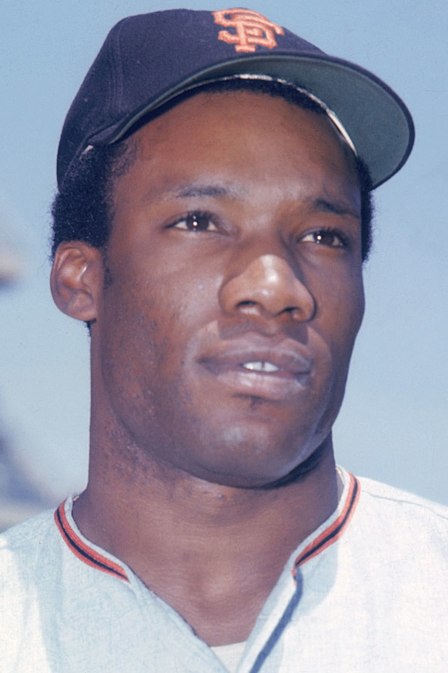
Bobby Bonds was an outfielder who played for the New York Yankees in 1975. Career stats: .270 batting average, 32 home runs, 85 RBI.
In his third big-league at-bat, on June 25, 1968, Bobby Bonds hit a grand slam. It came in the sixth inning at Candlestick Park, off Dodgers reliever John Purdin, in his first-ever major league game. The Giants won 9-0. Willie Mays found him afterward and told him he'd done something almost nobody does on the first try. Bonds spent the rest of his career living up to that kind of moment -- and, for one brilliant, injured season in 1975 (his only one in pinstripes), he did it as a Yankee.
The Kid From Riverside
Bobby Lee Bonds grew up in Riverside, California, a track-and-field All-American and the state's high school athlete of the year, playing ball at Riverside Poly alongside a kid named Dusty Baker who'd matter a great deal to this story later. The Giants signed him as an amateur free agent on August 4, 1964 -- before baseball even had a draft -- and four years later he was in the big leagues hitting slams off Dodgers relief pitchers.
He became San Francisco's next great five-tool player, the heir to Mays in the outfield the way Bobby Murcer was supposed to be the heir to Mickey Mantle in the Bronx. In 1969 he hit 32 home runs and stole 45 bases, becoming just the third player ever to join the 30-30 club -- after Ken Williams in 1922 and a two-time member named Willie Mays. In 1973 he nearly did something nobody had ever done: 39 homers, 43 steals, a real shot at 40-40, plus the 1973 All-Star Game MVP award for a fifth-inning, two-run homer in a 7-1 National League rout. He also struck out constantly -- 189 times in 1970, a big-league record at the time -- and by 1973 the drinking that would define and eventually derail his career had become visible enough that teammates noticed it on flights.
Landing in the Bronx
1974 was a down year for Bonds by his own standard, and Giants management, worried his thirties would look nothing like his twenties, wanted out. The Yankees wanted in. On October 22, 1974, GM Gabe Paul traded Bobby Murcer -- straight up, no throw-ins -- for Bonds, closing out the most controversial trade of the decade. It was reportedly the first deal in baseball history between two players each earning six figures, which tells you something about how the Yankees viewed the swap. This wasn't a salary dump. It was two franchises betting on speed and power over sentiment.
| Yankees Years | 1975 (one season) |
| Position | Right Field |
| Games | 145 |
| Batting Average | .270 |
| Home Runs | 32 |
| Stolen Bases | 30 |
| RBI | 85 |
| OBP / SLG | .375 / .512 |
| All-Star Selections (career) | 3 (1971, 1973, 1975) |
| 30-30 Seasons (career) | 5 -- MLB record, tied by his son Barry |
One Special, Complicated Season
The Yankees were still playing home games at Shea Stadium during the 1975 season while the real Stadium got rebuilt, and Bill Virdon ran the club for most of the year. Bonds settled into right field and did exactly what he'd always done -- until June 7, when he tore cartilage in his knee diving for a ball to save a game. He kept playing. On one good leg, more or less, he finished the year with 32 home runs, 30 stolen bases in 47 attempts, 85 RBI, and his first career All-Star Game start -- his third All-Star selection overall, after two trips with the Giants.
It was, statistically, one of the best all-around seasons any Yankee had turned in during the whole miserable stretch of the "lean years." It didn't save him.
Gone by December
Billy Martin took over as manager on August 1, 1975, and Martin liked hustle -- running out grounders, hitting the cutoff man, the unglamorous stuff Bonds had a reputation for skipping. The two clashed almost immediately. Then, after the season, Bonds picked up a drunk-driving charge, and whatever goodwill Paul had left for the player he'd traded away Murcer to get evaporated. On December 11, 1975, less than 14 months after the Murcer swap, the Yankees sent Bonds to the California Angels for outfielder Mickey Rivers and pitcher Ed Figueroa.
Rivers and Figueroa weren't stars in December 1975. They became two of the load-bearing pieces of the pennant in 1976 and the championships in 1977 and 1978. Bonds had given the Yankees exactly one great, injured season -- and gotten them, almost by accident, the parts they needed for a dynasty.
The Rest of the Ride
Bonds spent his thirties bouncing from team to team -- the Angels, White Sox, Rangers, Indians, Cardinals, Cubs -- seven clubs in his final seven seasons, even while still producing two more 30-30 years (1977 and 1978). He retired after 1981 with 332 home runs, 461 stolen bases, and 1,757 strikeouts, third all-time when he hung it up. The alcoholism that had shadowed him since his teens (his own father drank, too) kept costing him clubhouse trust even as the numbers stayed good, and it wasn't until he got fired from a coaching job in the mid-1990s that he finally got sober and joined Alcoholics Anonymous.
He coached hitting for Cleveland from 1984 to 1987, then rejoined the Giants organization in 1993 -- the same year his son Barry signed there as a free agent -- and spent four seasons teaching Barry the same swing Willie Mays had once helped teach him. Barry would go on to break every power record that mattered. Bobby never got that far, and the Hall of Fame voters agreed: he topped out at 10.6% on the BBWAA ballot in 1993, nowhere near induction, and never got a serious second look from any Veterans-style committee afterward.
Bobby Bonds died on August 23, 2003, in San Carlos, California, at 57, after a kidney tumor the year before gave way to lung cancer and a brain tumor. He and Barry remain the most productive father-son pair the sport has ever produced (five 30-30 seasons apiece, if you're counting, and somebody always is).
Signed by the Giants
Bonds signs as an amateur free agent out of Riverside, California, before Major League Baseball even had a draft.
Grand Slam in His MLB Debut
In his third career at-bat, Bonds hits a grand slam at Candlestick Park in a 9-0 Giants win over the Dodgers.
Traded to the Yankees for Bobby Murcer
GM Gabe Paul sends the popular incumbent center fielder to San Francisco, straight up, for Bonds.
Tears Knee Cartilage on a Diving Catch
Bonds injures his knee saving a game in the outfield and plays the rest of the season hurt.
32 HR, 30 SB, First All-Star Start
Bonds finishes his only Yankees season with a 30-30 year and his first career All-Star Game start.
Traded to the California Angels
The Yankees deal Bonds for outfielder Mickey Rivers and pitcher Ed Figueroa, both key pieces of the 1976-1978 pennant-winning teams.
Dies at Age 57
Bonds passes away in San Carlos, California, after a battle with kidney and lung cancer and a brain tumor.
Frequently Asked Questions
Did Bobby Bonds play for the Yankees?
Yes, for one season. The Yankees acquired him from the San Francisco Giants on October 22, 1974, in a straight-up trade for Bobby Murcer. In 1975, his only year in pinstripes, Bonds hit .270 with 32 home runs, 30 stolen bases, and 85 RBI across 145 games, earning his first career All-Star Game start.
Why did the Yankees trade Bobby Murcer for Bobby Bonds?
Murcer's power numbers had dropped playing at Shea Stadium's big dimensions in 1974, and GM Gabe Paul wanted a more athletic, power-speed outfielder better suited to the ballpark. Bonds, a three-time 30-30 player with the Giants, fit that profile. See the full trade breakdown for more.
Why did the Yankees trade Bobby Bonds away after only one season?
A few things converged. New manager Billy Martin, who took over in August 1975, wanted hustle and fundamentals and didn't think Bonds always gave it. Bonds also picked up a drunk-driving charge after the season. On December 11, 1975, the Yankees traded him to the California Angels for Mickey Rivers and Ed Figueroa, who both became key contributors to the pennant-winning 1976 team and the World Series champions of 1977 and 1978.
Is Bobby Bonds related to Barry Bonds?
Yes, he's Barry's father. Bobby and Barry Bonds are the most statistically productive father-son pair in major league history -- both members of the 30-30 club five times over, a record Bobby set first. Bobby also served as Barry's hitting coach with the Giants from 1993 to 1996.
Is Bobby Bonds in the Baseball Hall of Fame?
No. He appeared on the BBWAA ballot from 1987 through 1997, peaking at 10.6% of the vote in 1993 -- far short of the 75% needed for induction. His high strikeout totals, well-traveled 30s, and a career .268 batting average are generally cited as the reasons voters passed on a player with an otherwise historic power-speed combination.
The Yankees never got to keep the player. They kept the trade. One injured, 30-30 season in the Bronx, and two years later the pieces that came back for him were catching fly balls and throwing complete games in a World Series parade.